


New album available from 14 August 2026
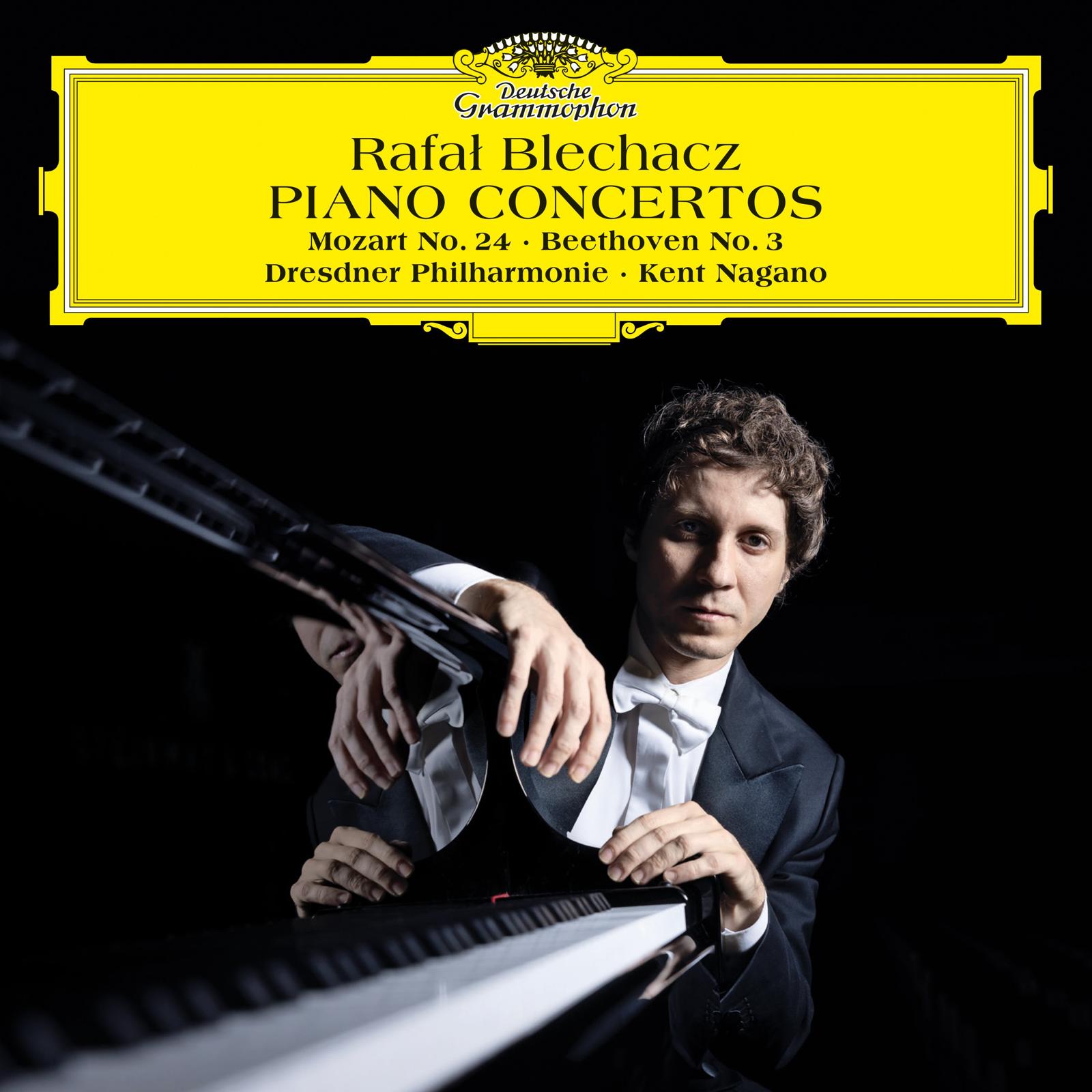
"Blechacz is one of the greatest artists I have ever heard in my life"
John O'Connor

biography_
Rafał Blechacz
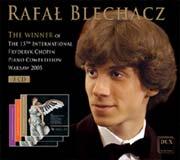
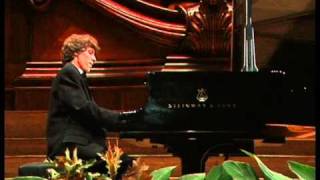
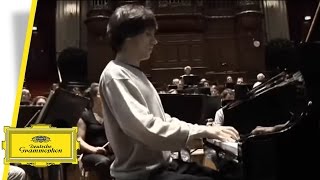
Ten years after winning the XV International Chopin Piano Competition in Warsaw in 2005, Rafał Blechacz gained the standing of a truly world-class artist. His exceptional talent has been acclaimed by audiences across Europe, the Americas and Asia, by music critics, eminent conductors and leading symphony orchestras, record producers, managers and concert agencies presenting him in the most renowned halls and musical centres.
The past decade of his career has been a time of solo recitals and concerts with symphony orchestras, above all of intensive work at the piano on an ever-expanding repertoire. Awarded the Grand Prix, the Gold Medal and all possible competition prizes — for the best performance of mazurkas, polonaise, concerto and sonata (the latter funded by Krystian Zimerman), as well as the audience prize — he has been recognised as the finest interpreter of Chopin’s music of his generation. International audiences have sought to hear and know him in this role; he has never disappointed them, winning their sympathy and esteem. The title of Winner of the Chopin Competition carries weight and meaning everywhere, and the young artist has undertaken numerous and distant concert tours. Everyone wishes to hear and experience the talent of someone who, in intensely difficult competition before a distinguished jury, proved the best. The young Polish pianist clearly prevailed over the large and strong field of rivals, as always in Warsaw. Emphasising the scale of his talent, the jury awarded no second prize, only third and subsequent places.
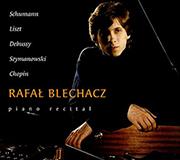
His work on repertoire naturally centres on Chopin, yet an artist of this stature also performs other composers. He has continually expanded his repertoire with works by Bach, Mozart, Beethoven, Liszt, Brahms, Debussy and Szymanowski, choosing programmes for successive albums (now five in number) recorded and released by Deutsche Grammophon.
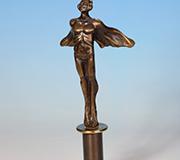
A powerful and telling culmination of the last decade of Rafał Blechacz’s artistic activity is the American Gilmore Artist Award, presented in January 2014 and sometimes called the “Nobel Prize of piano”.
Rafał Blechacz was born in 1985 in Nakło nad Notecią. He began piano studies at the age of five. He studied at the Artur Rubinstein State Music School in Bydgoszcz with Professor Jacek Polański, and in 2007 completed his piano diploma at the Feliks Nowowiejski Academy of Music in Bydgoszcz in the class of Professor Katarzyna Popowa-Zydroń. As a student he won many awards and distinctions, including First Prize and Grand Prix at the 13th National J.S. Bach Competition in Gorzów Wielkopolski (1996), Second Prize at the 5th International Young Pianists’ Competition “Artur Rubinstein in memoriam” in Bydgoszcz (2002), and victory at the 5th International Piano Competition in Hamamatsu, Japan (2003).
As winner of the Grand Prix of the Chopin Competition he began appearing in the most prestigious halls, including the Concertgebouw in Amsterdam, Musikverein in Vienna, Berlin Philharmonie, Alte Oper in Frankfurt, Herkulessaal in Munich, Salle Pleyel in Paris, Royal Festival Hall and Wigmore Hall in London, Tonhalle in Zurich and La Scala in Milan. He is invited to leading festivals such as Salzburg, Verbier in Switzerland, La Roque-d’Anthéron in France, Klavier-Festival Ruhr in Germany and the Gilmore Festival in the USA. He performs with many symphony orchestras, working with conductors including Charles Dutoit, Valery Gergiev, Daniel Harding, Pavo Järvi, Fabio Luisi, Kent Nagano, Andris Nelsons, Victor Pablo Pérez, Trevor Pinnock, Mikhail Pletnev, Jerzy Semkow, Antoni Wit and David Zinman.
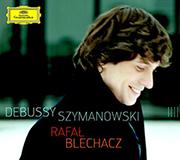
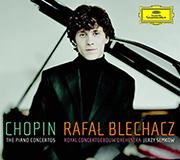
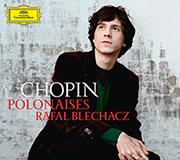
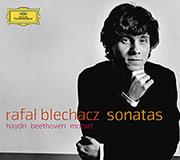
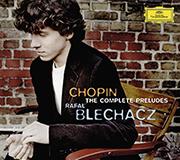
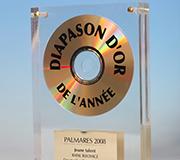
In 2006 he signed an exclusive contract with Deutsche Grammophon — the second Polish artist on the label after Krystian Zimerman. His first album of Chopin Preludes appeared in 2007. In Poland it achieved platinum status within two weeks of release and was honoured with the German Echo Klassik and French Diapason d’or awards. A further album of sonatas by Haydn, Mozart and Beethoven was released the following year to equal acclaim. After the success of his first two albums, the artist marked Chopin Year 2010 with recordings of both Chopin piano concertos with the legendary Concertgebouw Orchestra under Jerzy Semkow — named the world’s finest orchestra by Gramophone in 2009. This third album received the prestigious Preis der Deutschen Schallplattenkritik from critics in Germany, Austria and Switzerland, and quickly achieved double platinum status in Poland. His recording of Debussy and Szymanowski gained wide international acclaim for repertoire choice and interpretation. In 2012 the Deutsche Phono Akademie awarded him Echo Klassik for “Best Solo Album” (19th and 20th century music). The recording was Album of the Month in Gramophone and received the Polish Fryderyk for best classical album (2013). In autumn 2013 Rafał Blechacz returned to Chopin’s repertoire, recording his seven great polonaises — a gold album on the day of release, and Preis der Deutschen Schallplattenkritik for best piano album (2013).
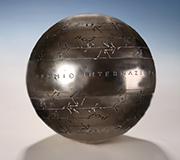
For his artistic activity to date, in July 2010 he received the Premio Internazionale Accademia Musicale Chigiana (Siena), awarded by an international jury of music critics. In January 2014 in New York he was named Gilmore Artist 2014, one of the highest honours in the piano world, awarded every four years with financial support for the artist’s future career.
On 24 February 2015, during a concert at the National Philharmonic in Warsaw, he was awarded the Knight’s Cross of the Order of Polonia Restituta by the President of the Republic of Poland.





reviews_
pianomania
Share in the musings and memories of Chang Tou Liang, possibly Singapore's most rabid pianophile and pianomaniac.
Saturday, 7 February 2026RAFAL BLECHACZ PIANO RECITAL / Review
RAFAL BLECHACZ Piano Recital
Esplanade Concert Hall
Thursday (5 February 2026)
This review was published in The Straits Times on 7 February 2026 with the title "Polish pianist Rafal Blechacz brings passion and rapture to Singapore debut".
Every first prizewinner of the prestigious International Fryderyk Chopin Piano Competition since 2000 has performed in Singapore with the exception of Polish pianist Rafal Blechacz. That anomaly was righted with the Singapore debut of the 2005 “Chopin Champion”, the informal title bestowed on Blechacz by Finger Waltz Music Productions, which presented his solo recital.
Opening with Ludwig van Beethoven’s popular Piano Sonata No.14 in C sharp minor (Op.27 No.2), also known as the “Moonlight Sonata”, he conjured a dreamy atmosphere for its famous first movement. Once poetically described as “the moon viewed over Lake Lucerne”, his deft use of the sustaining pedal accounted for its nocturnal and echo-ey feel, without overdoing it.
Then the gloves came off for the folk-like dance of the second movement, and the tempest-tossed finale which rumbled unapologetically to a tumultuous close. Beethoven had left the constraints of the Classical era well behind to fearlessly enter the Romantic era, which he shared with the Viennese Franz Schubert.
For Schubert’s Four Impromptus Op.90 (D.899), the earlier of two sets, Blechacz sensitively brought out revealed both Classical restraint and Romantic ardour. Very clean lines tinged with melancholy defined the first and longest Impromptu (in C minor) while a dextrous right hand surmounted the vertiginous etude-like second E flat major piece.
Poetry came to the fore in the G flat major Impromptu, one possessed with a seamless singing tone and possibly Schubert’s most beloved piano melody, Finally, feather-light filigree and more lyricism defined the fourth and final A flat major piece. One could only take issue with the programme booklet which had all the keys wrong, but not the pianist.
A second half of Chopin’s music was what the well-filled house was waiting for, and Blechacz did not disappoint. Dispelling the notion that the Polish pianist-composer’s music was sickly or effete. one could feel the temperature rise in the Barcarolle in F sharp major (Op.60) as the gondolier’s love song built up to a rapturous climax. Similarly, in the Third Ballade in A flat major (Op.47), passion was never sacrificed for the sake of mere prettiness.
In the Three Mazurkas (Op.50), Blechacz’s instinctive feel for three-quarter time dance rhythms, with well-placed accents dotting the landscape stood him out as quintessentially Polish. In these seemingly simple folk-like pieces, the true spirit of his homeland came through most vividly.
The recital proper was completed with the Third Scherzo in C sharp minor (Op.39), fraught with tricky octave passages and more cascading filigree. These contrasting devices are what distinguished Chopin’s Scherzi (Italian term for joke), which were anything but slapstick or comedic. Blechacz had completely grasped the implicit and subtle humour.
Given the ovation, he could not have left without playing an encore or two. Thus he obliged with Chopin’s Waltz in C sharp minor (Op.64 No.2), pure elegance personified, and the playful Scherzo from Beethoven’s early Sonata in A major (Op.2 No.2). Rising abruptly from the keyboard, Blechacz drew even more cheers. The season for piano recitals has just begun.
The review on www.straitstimes.com: http://pianofortephilia.blogspot.com/2026/02/rafal-blechacz-piano-recital-review.html?m=1
Chang Tou Liang /Singapore 27.02.2026/
Rafal Blechacz in Conservatorio per la Società del Quartetto
Di Cesare Guzzardella - 31 Marzo 2026
Il pianista Rafał Blechacz è da molti anni presenza costante nelle stagioni concertistiche milanesi. Lo si ricorda fin dal lontano 2005, quando vinse il prestigioso Concorso Internazionale Fryderyk Chopin di Varsavia, affermandosi come interprete di primo piano sulla scena mondiale.
Ieri sera, in una Sala Verdi del Conservatorio di Milano gremita di appassionati per la Società del Quartetto, il pianista quarantenne ha confermato ancora una volta il suo spessore interpretativo, trovando nel suo compositore d’elezione, Frédéric Chopin, il momento più alto del concerto, concentrato nella seconda parte.
La serata si era aperta con la celebre Sonata n. 14 op. 27 n. 2 “Al chiaro di luna” di Ludwig van Beethoven, seguita dai Quattro Improvvisi op. 90 D 899 di Franz Schubert. Interpretazioni solide, costruite su un equilibrio discorsivo limpido e controllato, spesso elegante, con contrasti moderati e andature complessivamente sostenute. Il dominio del suono e la visione d’insieme, tanto nella Sonata beethoveniana quanto nei brani schubertiani, risultavano evidenti e ben calibrati.
Dopo la pausa, il cambio di autore ha rivelato un altro volto dell’interprete: quello profondamente votato alla musica di Chopin. Qui lo studio e l’approfondimento di oltre vent’anni, a partire proprio dall’esperienza del concorso, emergono con una qualità che va oltre la pur eccellente esecuzione.
Nei brani scelti – dalla Barcarola op. 60 alla Ballata n. 3 op. 47, dalle Tre Mazurche op. 50 fino allo Scherzo n. 3 op. 39 – i dettagli si fanno di una raffinatezza estrema, inseriti in un processo di interiorizzazione esemplare. Dopo una Barcarola di grande rilievo, la complessa Ballata in la bemolle maggiore è apparsa ancora più densa e significativa. Nelle Tre Mazurche – Vivace, Allegretto e Moderato – la brevità dei pezzi si traduceva in una straordinaria varietà espressiva. Non a caso, già nel 2005 Blechacz era stato premiato anche per l’interpretazione di questo genere, del quale ieri si è colta tutta la sua profonda affinità.
Vertice interpretativo della seconda parte è stato lo Scherzo n. 3 in do diesis minore: una discorsività rapida e incisiva, capace però di restituire ogni dettaglio e una ricchissima articolazione dei piani sonori. Applausi calorosissimi hanno salutato il concerto, seguiti da due bis di grande livello: ancora Chopin, con il Valzer op. 64 n. 2, e poi un Beethoven estemporaneo e perfetto, nello Scherzo della Sonata op. 2 n. 2 in la maggiore. Applausi, ancora, pienamente meritati.
https://www.corrierebit.com/rafal-blechacz-in.../
01.03.2026 | Konzert/Liederabende
Der Mittlere Saal wäre fast zu klein geworden für dieses Ereignis. Denn ein solches wurde erwartet, dass die Ausnahmeerscheinung Blechacz in der heutigen Welt schneller Erfolge demonstrieren sollte. .Nicht allein durch ihre Souverenität am Flügel sondern durch ihren längst bewiesenen Weltklassenrang, dem zufolge er so viel Genialität mit so wenig Stargehabe auf den Tasten offenbart. Zurückhaltung ist neben vielen Vorzügen wohl eine besondere Stärke von Blechacz. Damit imponierte er schon im frühen Alter. Knappe zwanzig geworden, gewann er als erster Pole den prestigeträchtigen Chopin-Wettbewerb in Warschau, seither zieren noch mehrere Auszeichnungen seine Karriere. Der heute Vierzigjährige geht sparsam um mit jährlichen Konzerten, lebt äußerst bescheiden und zurückgezogen; wie er einmal sagte, spiele er halt ganz einfach Klavier.
Ein Credo von dieser Art verriet auch sein Programm für das Linzer Gastspiel. Bewusst kein klassischer Sonatenabend sollte es werden, womit das Publikum vielleicht etwas mehr Begeisterung oder Freude gezeigt hätte. Es waren nur scheinbar einfache, wenngleich für ihre Schöpfer bedeutende Stücke im Übungsformat, wie man sie von der Klavierstunde her kannte. Aber bei Blechacz mit einer Tiefsinnigkeit neu belebt, zu Charakterstudien aufgewertet und oft in den rasanten Tempi bewundernswert, wie technische Präzision und Musikalität die Ausdruckskraft der Stücke steigern können. Man hole Mozarts die anfangs eröffnende Klaviersonate Nr. 11 A-Dur aus 1783-84 ins Gedächtnis, einer Zeit der Unterrichtstätigkeit Mozarts, die ihn, nachdem er den fürsterzbischöflichen Dienst in Salzburg quittiert hatte, gar nicht recht freute. Beim populären türkischen Marsch dürfte er sich gründlich ausgelassen haben. Oder die Vier Impromptus D 899 von Schubert, in denen der Liederfürst seinen Hang zur Melodieseligkeit nicht verstecken konnte, arbeitete er doch gerade am Zyklus seiner „Winterreise“ und vielleicht schon Vorstudien zu einer viersätzigen großen Sonate im Auge hatte. Kein Tempo konnte Blechacz auch bei Schubert nicht schnell genug werden, um die inhaltlichen Zusammenhänge des Werkes aus 1828 zu schmälern. Feinfühlig bei den Übergängen, bei der Sorgfalt, bei der Phrasierung, die Begeisterung für den Antistar steigerte sich von Stück zu Stück immer mehr und fand zu weiteren Höhepunkten. Den Olymp bestieg Blechacz nach der Pause natürlich erst mit „seiner“ Chopin-Anbetung. Sein Geständnis, Chopin hätte wie kein zweiter Komponist sein Leben, seine Karriere, geprägt, bedurfte keiner deutlicheren Bestätigung mehr. Und nun ging er erst vollends aus sich heraus. Die typisch polnische Melancholie, die feinherbe Klangkultur, die Balance zwischen dem Farbenreichtum im Anschlag, die raffinierte Rhythmik und kontrapunktische Kunst der Strukturierung, alle diese Facetten im Spiel setzten delikate Akzente, glitzernd tönend wie Edelsteine im Himmel eines Frédéric Chopin. Ob in der Fis-Dur Barcarole op. 60, in den Drei Mazurkas op. 50, in der As-Dur Ballade Nr.3 op. 47 oder im virtuosen Cis-moll Scherzo Nr.3 op. 39. Wie seltsam oder ein Zufall, dass alle drei Komponisten am Programm keine vierzig Jahre gelebt haben und Blechacz heuer der seinerzeitigen Auszeichnung seines Lebens in Warschau unmittelbar gedachte.
Wie gesagt, das Finale des Abends kam viel zu rasch. Nur eine Zugabe war dem wenig kommunikativen Künstler mit dem Publikum abzuringen. Aber vergessen wird man den Auftritt eines weltgewandten Tastenzauberers nie.
Georgina Szeless
Kulturjournalistin
A CORUÑA / OSG, Blechacz y Pérez: Un Beethoven equilibrado e intenso
03/05/2026 / Luis Suñén
A Coruña. Palacio de la Ópera. 1-V-2026. Rafal Blechacz, piano. Orquesta Sinfónica de Galicia. Director: Víctor Pablo Pérez. Obras de Del Adalid/Durán y Beethoven.
Un programa Beethoven con el Concierto para piano nº 3 y la Quinta Sinfonía puede —que Dios me perdone— no ser, en principio, lo más atractivo del mundo. Puro repertorio al que se añaden las versiones predilectas de cada cual que suelen actuar como muros de contención. Pero también para muchos oyentes se trata de la vuelta a la tranquilidad de lo conocido y reconocido. Esta vez, digámoslo enseguida, valió la pena en ambos casos.
Lo satisfactoria que habría de resultar la sesión, se intuyó desde la introducción del Concierto beethoveniano a cargo de una orquesta en magnífica forma, a la que parece que los aires ingleses le han sentado de maravilla y un Víctor Pablo Pérez, su director honorario, que acabaría firmando el mejor trabajo que este crítico le ha visto desde que dejó la titularidad de la formación coruñesa. Pérez acertó de pleno con ese estilo beethoveniano que todavía bebe del clasicismo. Intenso siempre —como luego en la Sinfonía—, inteligentemente equilibrado, su concepto resultó ser el acompañamiento ideal para un Rafal Blechacz que mostró por qué es uno de los grandes de su generación. En cierta medida su lectura fue complementaria de la del maestro, aun siendo, cómo no, protagonista máximo de la versión. A la energía general aportó la admirable delicadeza de un toque sutilmente indagador, de una belleza de sonido que surge de un virtuosismo sin tacha, pero sin que eso se note. Su cadenza del primer movimiento fue ejemplar, más la reflexión sobre lo antes escuchado que una mera paráfrasis sostenida en el más difícil todavía. En la misma línea estuvo su muy hermoso arranque del Largo y la impecable secuencia de intervenciones en el Rondó, con esa suficientemente imperceptible variedad que hace que salte por los aires, pero suavemente, la falsilla formal sobre la que se sostiene.
Una vez más, por mucho que se aplaudiera, sobró el encore. Si habíamos asistido a una extraordinaria versión de una pieza redonda, que nos había dejado plenamente satisfechos, ¿por qué añadir nada, por qué romper el encanto del trabajo bien hecho por parte de todos, no sólo del solista? Blechacz regaló una versión bien tocada pero un punto sosa del primer movimiento de la Sonata nº 14, la “Claro de luna”, que no añadió un átomo de gloria a lo escuchado antes.
En la segunda parte, Víctor Pablo Pérez firmó una Quinta Sinfonía de la vieja escuela, ello sea dicho con toda la intención de resaltar los valores de esa clase de mirada. Solidez, intensidad, grandeza, tempi vivos que colaboraron a esa sensación tan definidora del disfrute —sí, aquí más que el análisis o que cualquier proceso dialéctico— como es la de que el tiempo pasa rápidamente: pasión, en suma, no exenta de una idea estructural muy clara. La OSG volvió a mostrarse pletórica en todas sus secciones y valga citar, como epítome, al flautín Juan Ibáñez.
Se abrió el concierto con Galicia-Marcha triunfal de un Marcial del Adalid que fuera, por cierto, gran admirador de Beethoven y de quien se cumple este año el segundo centenario de su nacimiento, precisamente en A Coruña. Dedicada a los soldados de la Guerra de África y escrita en principio para piano fue parcialmente orquestada por el autor y definitivamente, y de forma muy eficaz, por Juan Durán para banda y para formación sinfónica. Lo lustroso de la interpretación no fue suficiente para paliar la falta de sustancia de la obra.
https://scherzo.es/a-coruna-osg-blechacz-y-perez-un-beethoven-equilibrado-e-intenso/



chopin competition_
Chopin Competition 2005
PKN ORLEN as sponsor of the XV International Fryderyk Chopin Piano Competition
PKN ORLEN became the sponsor of this exceptional artistic event — the XV International Fryderyk Chopin Piano Competition. The company also sponsored radio broadcasts and events accompanying the competition.
As a responsible participant in public life, PKN ORLEN decided to provide comprehensive support for the Chopin Competition. Engagement in related projects continued the mission of protecting Poland’s national heritage of Chopin’s music.
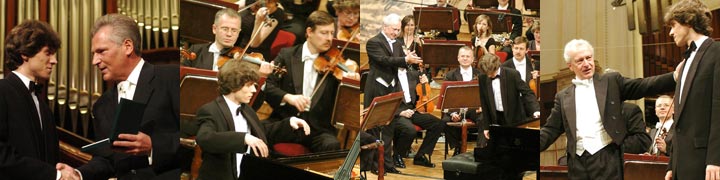
The International Chopin Piano Competition, first held in 1927, is one of the oldest events of its kind in the world and ranks among the most important and prestigious cultural gatherings. The event offers young artists a chance to compete and brings together critics, musicologists, media representatives and music lovers from around the world.
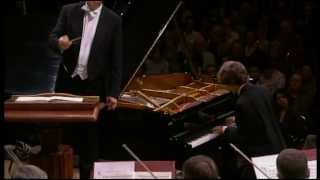
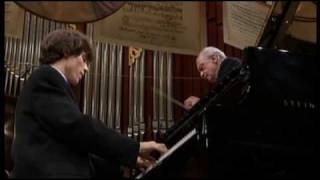
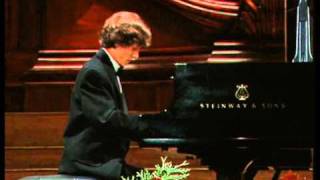
The XV edition was exceptional: a record 323 pianists entered the competition, with 12 reaching the final.
The Chopin Competition has long been accompanied by concerts, performances, meetings and press supplements.
PKN ORLEN was the exclusive sponsor of broadcasts on Polish Radio Programme II — the only station in Poland where all concert transmissions could be heard. They always attract great interest among listeners.
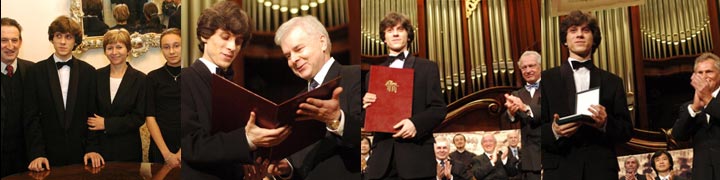
The company was also the exclusive sponsor of a supplement to Rzeczpospolita devoted to the XV edition of the Competition, its history, artists and leading figures. An exceptional CD of Chopin’s music performed by Krzysztof Jabłoński was included with the supplement.
PKN ORLEN was also the exclusive partner of the OPEN FOR CHOPIN concert and provocation series organised with RMF Classic in Kraków, Warsaw, Gdynia, Wrocław and Szczecin. Residents could hear Chopin’s music in both traditional and unconventional jazz arrangements. Janusz Olejniczak, Bartłomiej Kominek, Urszula Dudziak and Michał Urbaniak performed at the concerts.
Another album of sonatas by Haydn, Mozart and Beethoven appeared in October 2008 to great acclaim from critics and listeners. After the success of his first two albums, the artist marked Chopin Year 2010 with recordings of both Chopin piano concertos with the Concertgebouw Orchestra under Jerzy Semkow. The album received the prestigious German critics’ award Preis der Deutschen Schallplattenkritik and quickly achieved double platinum status in Poland.
contact_
BELGIUM/THE NETHERLANDS/LUXEMBOURG
Weinstadt Artists Management
Populieranlaan 3, bus 26 - 2020 Antwerp
Belgium
Luc Van Loocke
+32/3-216 70 60
luc@concerts-weinstadt.be
GERMANY/AUSTRIA
Impresariat Simmenauer GmbH
Kurfürstendamm 211
10719 BERLIN
GERMANY
t: +49 (0)30 414 781 710
f: +49 (0)30 414 781 713
Eleonore Wrobel
t: +49 (0)30 414 781 725
eleonore.wrobel@impresariat-simmenauer.de
Arnold Simmenauer (Director)
t: +49 (0)30 414 781 724
arnold.simmenauer@impresariat-simmenauer.de
SWITZERLAND
AGENCE DE CONCERTS CAECILIA
Boulevard des Philosophes 9
1205 Genève
tel +41 22 809 15 25
fax +41 22 809 15 28
Carole Terretaz
cterrettaz@caecilia.ch
FRANCE
AGENCE DIANE DU SAILLANT
20 Cité Malesherbes
75009 Paris
Tel.: +33 (0)1 42 81 38 21
Mob.: +33 (0)6 13 42 22 52
dianedusaillant@gmail.com
Paris - recitals
André Furno – Tel.: +33620555486 – andrefurno@free.fr
Victoria Furno – Tel.: +33761583000 – victoriafurno5166@gmail.com
ITALY
RESIA s.r.l.
Via Gioberti 1
20123 - Milano - Italy
+39 02654161-2-3
+39 026597851
p.garrasi@resiartists.it
SPAIN
SOLER MUSIC MANAGEMENT SLU
Calle Moià n. 1, 2a Planta
08006 Barcelona
Tel: 93-241 37 00
Fax: 93-414 70 36
Carmen Soler
JAPAN
JAPAN ARTS CORPORATION
2-1-6 Shibuya, Shibuya-ku,
Tokyo, Japan 150-8905
+ 81 3 3499 8090
+ 81 3 34998092
Ryoko Yamada
yamada@japanarts.co.jp
USA/CANADA
Christina Daysong Concert Artists
PO Box 529
Alameda, CA 94501
Phone: +1510 769-1640
christinadaysog@aol.com
SOUTH AMERICA
Gloria Guerra
Av. Angelica,896, apto 11
CEP-01227-000
What's app +55.11.982029219
g.guerra1986@gmail.com
THE UK/SCANDINAVIA/EASTERN EUROPE/ GREATER CHINA
LIU KOTOW
Internationales Managementnetz und Werbung
Schiffgraben 59
30175 Hannover/Deutschland
+49 511 47416546
Grzegorz Kotow
+49 511 47416545
gregor@liukotow.com
Shannen Liu
shannen@liukotow.com